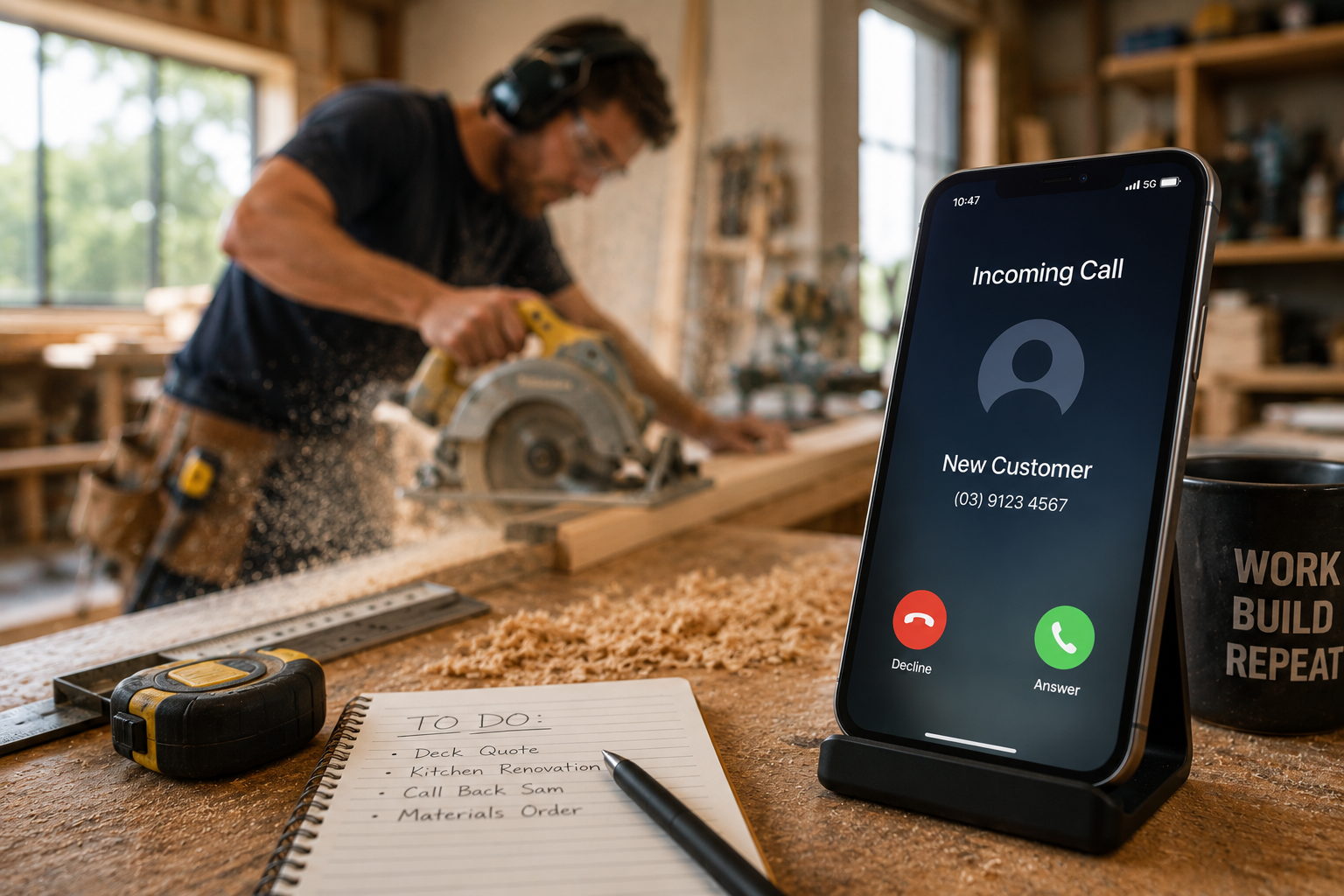
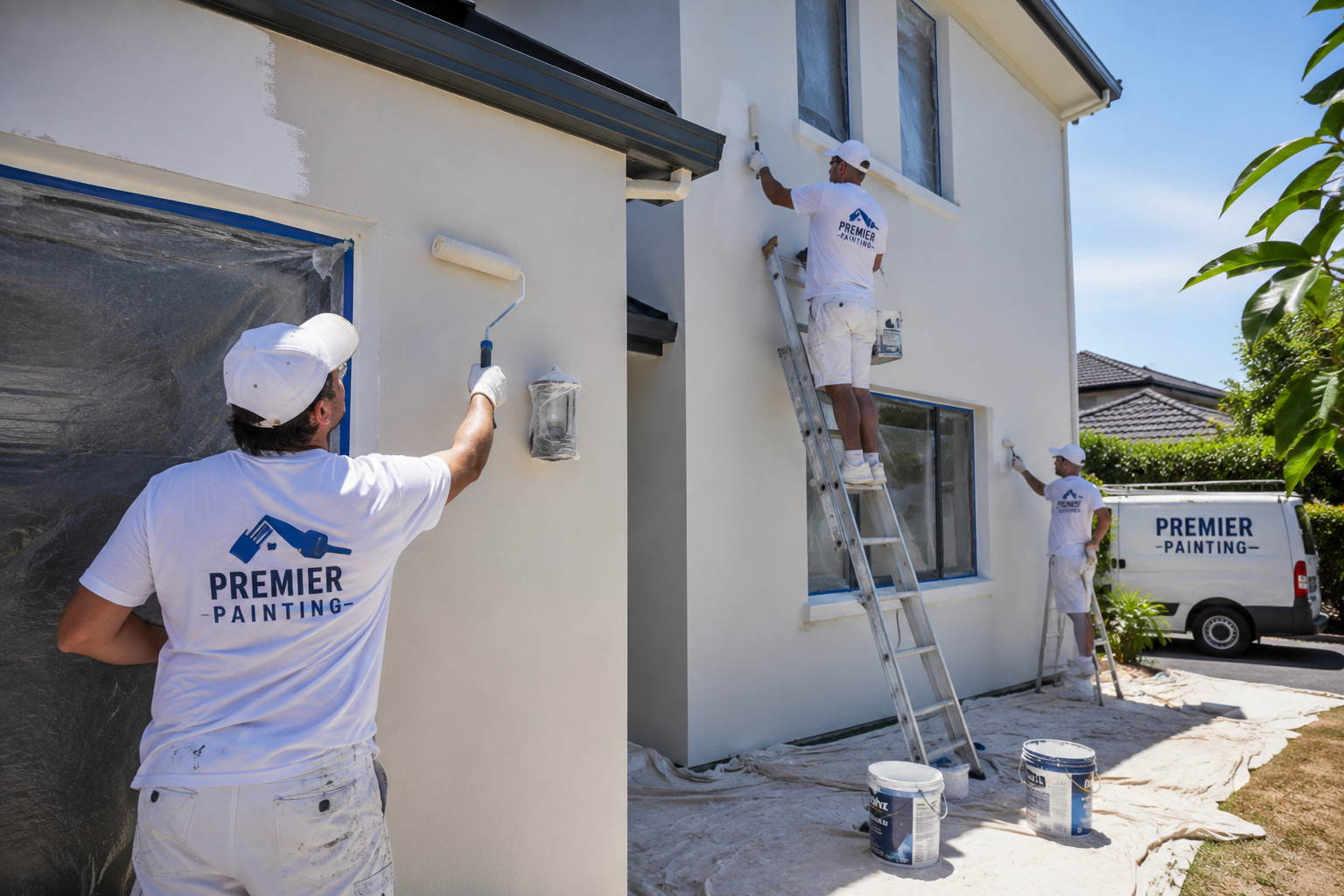
For painting businesses, winning a new customer often starts with something simple: answering the phone. A homeowner has decided it is finally time to repaint their living room. A property manager needs several rental properties refreshed before new tenants move in. A business owner wants to repaint an office or retail space. They search online, find a few local painters, and start making calls. The first painter does not answer. The second sends the call to voicemail. The third answers immediately, asks about the project, collects the customer's details, and helps them take the next step. Who do you think has the best chance of winning the job?
For painters, speed can be a competitive advantage. You might produce incredible work, have years of experience, and have dozens of five-star reviews, but if potential customers cannot reach you when they are ready to request a quote, the opportunity may go to the painter down the road. An AI receptionist can help change that by answering incoming enquiries, collecting project details, qualifying potential customers, and moving leads toward quoting and booking—even when you and your team are busy painting.
The Lead Often Goes to Whoever Answers First
Customers looking for a painter rarely contact only one business. They might search for painters in their area, open several results, and start calling. If the first company answers and provides a helpful experience, the customer's search may end there. For painting businesses, this creates a difficult situation. The busiest painters are often the least available to answer the phone because they might be on a ladder, preparing a surface, spraying a property, meeting a customer, or driving between jobs.
Stopping every few minutes to answer the phone is not practical, but ignoring calls is not ideal either. Research published by Harvard Business Review has highlighted the importance of responding quickly to new sales enquiries. While a phone enquiry is different from an online form submission, the underlying principle is similar: when a potential customer is actively looking for a service, response time matters. An AI receptionist gives painting businesses another way to respond immediately without requiring the painter to put down their tools every time the phone rings.
From "I Need a Painter" to a Qualified Lead
Not every painting enquiry is the same. One customer might need a single bedroom painted, while another wants the entire interior of a five-bedroom home repainted. Someone else could be looking for exterior painting on a two-storey property, while a commercial customer might need an office, warehouse, or retail space completed within a specific timeframe. Before you can provide an accurate quote, you need to understand what the customer actually wants.
An AI receptionist can help handle this initial conversation by asking relevant questions and collecting structured information about the project. That might include the customer's name, contact information, property location, type of property, interior or exterior painting requirements, approximate number of rooms, desired timeframe, and other details your business needs before preparing a quote. Instead of finishing a long day and finding a voicemail that simply says, "Hi, I'm looking for someone to paint my house," you can start with useful information about the project. That means less time playing phone tag and more time focusing on genuine opportunities.
Qualify Before You Call Back
One of the biggest benefits of an AI receptionist is not simply answering more calls. It is helping determine which enquiries are worth prioritising. Painting businesses often receive calls that are not a good fit. The property might be outside your service area, the customer might need a service you do not provide, the project might not fit your team's capabilities, or the customer's desired timeframe might not match your availability.
By asking the right questions during the initial conversation, an AI receptionist can help identify whether an enquiry fits your business before someone on your team spends time following up. The system can follow the rules and workflows established by your painting business. A residential painter could focus on homeowners within a specific geographic area, while a commercial painting company might collect information about building size, project scope, access requirements, and expected timelines. The goal is not to reject potential customers unnecessarily. It is to make sure your team has better information when deciding what happens next.
Every Missed Call Has a Cost
When painters think about missed calls, it is easy to think of them as minor interruptions that can be dealt with later. But later might be too late. Imagine a homeowner calling three local painters at 10 AM. You are halfway through painting a property, so you let the call go to voicemail. You finish the job at 4 PM and call them back. By then, another painter has already answered their questions and scheduled an estimate for the next morning.
The customer might still speak with you, but now you are competing against a business that is already further along in the sales process. An AI receptionist helps reduce that gap. The customer receives an immediate response, their project details can be captured, and they can understand what happens next without waiting hours for someone to return their call. You might still need to personally inspect the property or prepare the final quote, but the relationship with the potential customer has already started.
Answer Calls While You Keep Painting
For small painting businesses, the person answering the phone is often the same person doing the work. That creates a constant trade-off. Do you stop painting to answer the phone, or do you keep working and risk losing the lead? Neither option is ideal.
AI-powered conversational technology provides another possibility. Technologies built around conversational AI demonstrate how automated systems can understand customer requests and respond through natural-language interactions. Applied to a painting business, an AI receptionist can act as the first point of contact while you remain focused on the job in front of you. The AI handles the initial conversation, you handle the painting, and when you are ready to review new enquiries, the basic information has already been collected.
Move Customers Toward an Estimate
Answering the call is only the beginning. The next step is turning the conversation into an opportunity to quote the job. For many painting projects, an accurate estimate requires understanding the size and condition of the property, the surfaces being painted, preparation requirements, paint specifications, access, and the customer's expectations.
An AI receptionist does not need to guess the final price. Instead, it can help prepare the customer for the appropriate quoting process. If your business provides on-site estimates, the customer can be guided toward booking an available assessment. If you have standard services with predefined pricing rules, straightforward enquiries might follow a faster quoting workflow. For larger or more complicated projects, the information can be passed to your team for review. The process becomes simpler: the customer calls, the lead is qualified, project details are collected, an estimate is scheduled, and the quoting process begins.
Make It Easier to Book the Estimate
Scheduling an estimate can involve more back-and-forth than expected. The customer calls, you miss the call, you call back, they do not answer, and they call again while you are working. Eventually, you connect and start comparing schedules. An enquiry that should have taken a few minutes can stretch across several days.
Connecting an AI receptionist with a booking workflow can help simplify this process. Once the customer's project has been qualified, they can potentially be guided toward appropriate appointment times based on your business's availability and configured workflow. For larger or more complicated projects, the information collected during the call can be sent to your team for review and follow-up. The goal is to make the phone call a smoother starting point for the customer journey—from initial inquiry to the appropriate next step.
After-Hours Calls Still Matter
Homeowners do not necessarily search for painters during normal business hours. They might start researching a renovation after dinner. A couple might discuss repainting their new home on a Sunday. A property manager might finally have time to organise maintenance after your office has closed. If they call and reach voicemail, they may leave a message—or they may simply call the next painter.
An AI receptionist can help businesses provide an initial response outside normal operating hours. The system can collect the customer's information, understand what type of painting project they are considering, and prepare the enquiry for your team. When you start work the next morning, you do not just see a list of missed calls. You have potential jobs waiting to be reviewed.
A Better First Impression
Hiring a painter can be a significant decision for a homeowner. Customers are inviting someone onto their property and trusting them with a project that could cost thousands of dollars. The experience they have during their first interaction can influence how they perceive the business. If nobody answers, the first impression is uncertainty. If the customer receives a prompt and professional response, the experience feels different.
An AI receptionist should not pretend to be an experienced painter or provide technical advice it is not qualified to give. Its role is to make the beginning of the customer journey easier: answer the enquiry, understand what the customer needs, collect relevant information, and help them move toward the right next step. Your painters still provide the expertise, your estimators still assess complex projects, and your team still builds the customer relationship. AI simply helps ensure the conversation actually begins.
How Vocatus.ai Can Help Painting Businesses
This is where Vocatus.ai can help. Vocatus.ai is designed to help trade and service businesses create a smarter front office using AI. For painting businesses, that starts with helping ensure potential customers receive a response when they call. Instead of sending every unanswered call to voicemail, an AI-powered receptionist can handle the initial conversation, understand why the customer is calling, and collect relevant information about their painting project.
A homeowner looking for interior painting can provide information about the property and rooms they want painted. Someone requesting exterior work can explain the type of property and project they have in mind. A commercial enquiry can be captured and prepared for your team to review. The goal is to transform the first phone call from an interruption into a structured lead.
The customer calls, AI answers, the project is qualified, details are captured, an estimate can be scheduled, and the quoting process begins. For solo painters and small teams, this can mean fewer interruptions while working on-site. For growing painting companies, it can create a more consistent process for handling incoming enquiries as lead volumes increase. For customers, it means they do not have to keep calling different businesses just to speak with someone.
Vocatus.ai helps bridge the gap between the moment a potential customer decides, "I need a painter," and the moment your business is ready to quote the job.
Win the Lead Before the Painter Down the Road
Being the best painter in your area matters, but customers need to reach you first. In the traditional process, a customer calls while you are painting, the call goes to voicemail, you call back later, and by then the customer may have already booked an estimate elsewhere. With a smarter workflow, the customer calls, AI answers, the lead is qualified, project details are captured, and the customer can be moved toward the next step.
The painter down the road might still be good. They might have great reviews and even offer a similar price. But if your business responds first, makes the process easy, and gives the customer a clear next step, you have already created an advantage.
AI reception is not about replacing the personal relationships that help painting businesses grow. It is about making sure you get the opportunity to build those relationships in the first place. With Vocatus.ai, painters can spend more time transforming homes and businesses—and less time wondering how many potential jobs disappeared into voicemail.